Mar 11, 2026
Preparation of Phytophthora zoospore suspensions
- 1Biological and Agricultural Engineering, University of Arkansas
- SNAPS research group



Protocol Citation: Eric McLamore 2026. Preparation of Phytophthora zoospore suspensions. protocols.io https://dx.doi.org/10.17504/protocols.io.kqdg3mwkql25/v1
License: This is an open access protocol distributed under the terms of the Creative Commons Attribution License, which permits unrestricted use, distribution, and reproduction in any medium, provided the original author and source are credited
Protocol status: Working
We use this protocol and it's working
Created: March 10, 2026
Last Modified: March 11, 2026
Protocol Integer ID: 312992
Keywords: Zoospore, water mold, Phytophthora, cultures of the plant pathogen phytophthora capsici, preparation of motile zoospore suspension, plant pathogen phytophthora capsici, motile zoospore suspension, preparation of phytophthora, phytophthora, zoospore, motile dispersal stage of these oomycete, motile dispersal stage, rapid zoospore release, pathogenic toward pepper, chemotaxis assay, infection experiment, including chemotaxis assay, oomycete, preparation
Funders Acknowledgements:
National Institute of Food and Agriculture Multistate
Grant ID: NC1194
Abstract
This protocol describes the preparation of motile zoospore suspensions from cultures of the plant pathogen Phytophthora capsici. P. capsici is pathogenic toward peppers, cucumbers, and cucurbits. Zoospores are the motile dispersal stage of these oomycetes and are used in multiple demonstrations including chemotaxis assays, root infection experiments, microfluidic soil‑pore models, and microscopy demonstrations. The complete process typically requires 30–60 minutes once actively growing cultures are available. An optional high-yield pre‑sporulation workflow is included to enable rapid zoospore release during teaching laboratories.
The workflow for this protocol is:
Revive culture → expand colony → induce sporangia → cold shock → collect zoospores
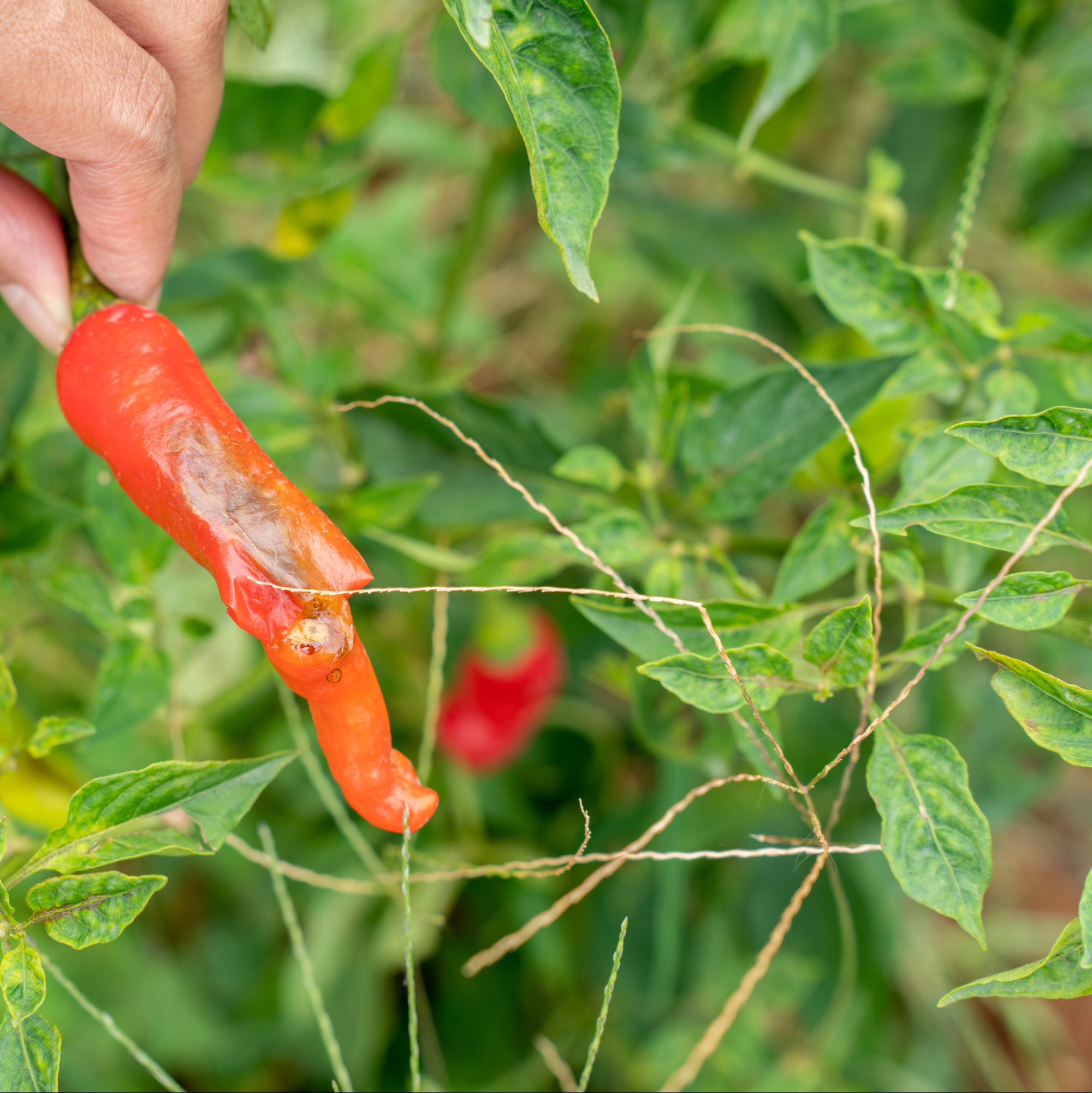
Image Attribution
Shutterstock Attribute ID: 2385893249
Guidelines
This protocol is designed for teaching laboratories and small-scale research experiments requiring motile Phytophthora zoospores.
Key requirements for successful zoospore production include:
• Actively growing cultures (2–5 days old)
• Clean sterile technique
• Temperature control during cold shock induction
• Gentle handling of cultures to avoid damaging sporangia
Zoospore production can vary between isolates. If sporangia formation is low, alternative media such as corn meal agar may improve yield.
Materials
Biomaterials
- Phytophthora capsici Leonian 52771 from ATCC
Chemicals
- 70% (v/v) ethanol
- 20% (v/v) bleach
- Autoclave-sterilized water or DI water
- Calcium chloride for preparation of 1.0 mM CaCl₂ (approximately 50 mL for one group is sufficient)
- V-8 Juice (local grocer)
- Calcium carbonate (CaCO3)
- Agar
- Tap water
- 1N hydrochloric acid (HCl)
- 1N sodium hydroxide (NaOH)
- 1 mM sucrose at pH ~7
Hardware
- Pipettes and sterile pipette tips
- Kimwipes or lint‑free wipes
- 2 L glass Erlenmeyer flask
- Microcentrifuge tubes or sterile containers
- Calibrated pH sensor/meter
- Magnetic stir plate
- Stir bar
- Analytical balance
- Weigh boats or weighing paper
- Aluminum foil
- Autoclave tape
- Sterile Petri dishes
- Compound microscope or stereomicroscope
- Refrigerator or ice bath for cold shock
- Laboratory timer
Safety warnings
Safety information
Personal Protective Equipment (PPE)
- Wear lab coat at all times
-Wear gloves at all times
-Wear certified laboratory eye protection at all times
-Avoid use of phone or other personal items during lab (e.g., keys, writing pens, etc.)
Safety information
Handling biomaterials
- Handle plant pathogens using standard plant pathology laboratory practices.
- Avoid environmental release of cultures or infected plant material.
- Avoid contact with microbial cultures or staining reagents.
Safety information
General safety
- Conduct work involving staining dyes or solvents in a well-ventilated area.
- Avoid open flames near solvents or dyes.
- Dispose of biological materials according to institutional biosafety procedures.
Before start
Before beginning this protocol ensure the following materials are prepared:
• V8 agar plates (fresh or stored at 4 °C)
• Actively growing Phytophthora capsici culture or ATCC stock vial
• Sterile distilled water
• Cold sterile water (4 °C) for zoospore induction
• Sterile pipettes and microcentrifuge tubes
• Compound microscope for verification of zoospore motility
Cultures used for sporangia induction should be 2–5 days old and display active colony growth at the margins.
PREPARE MATERIALS
Prepare Agar
Inspect culture storage conditions
- Before carrying out tedious tasks, inspect the container of the P. capsici from ATCC
- Ensure that the packaging is intact, and free of damage before beginning process
Gather materials for preparing agar
- Gather the following materials
- Do not filter or alter the V8 juice
| A | B | C | |
| Item | Amount | Comment | |
| DI water | 800.0 mL | Use of tap water is acceptable | |
| Calcium carbonate | 3.0 g | Inspect powder for any contamination or evidence of water buildup | |
| V8 juice | 200.0 mL | Only use V8 tomato juice that has not been used, and does not contain other additives (e.g., V8 brands that contain juice) | |
| agar | 15.0 g | - |
Table 1. Ingredients for V8 agar
Prepare ATCC Medium 343: (also called V8 Agar)
- Pour 800mL of DI water into a 2 L glass Erlenmeyer flask
- Add a stir bar to the flask and place on the stirring plate
- Stir at medium speed (approximately 200-300 rpm, depending on the stir bar size)
- Measure 3.0 g of CaCO3 on the analytical balance
- Add the CaCO3 powder into the flask and stir for at least 2 min at medium speed
Figure 1. Prepare V8 medium in a 2L Erlenmeyer flask
- Measure 200 mL of V8 tomato juice in a glass beaker
- Add the V8 juice to the 2L Erlenmeyer flask while continuously stirring
- Mix for at least 2 min at medium speed
- Measure 15.0 g of agar in a weigh boat, and then add the powder to the 2L beaker
- Mix for at least 2 min at medium speed, observing that the agar is not adhering to the wall of the flask
Adjust pH of solution
- Insert a calibrated pH probe into the V8 medium
Figure 2. Adjust the pH of the V8 medium to 7.2 ± 0.2.
- Using a transfer pipette, adjust the pH to 7.2 ± 0.2. See note for suggestions on pH adjustment
Note
Typically, the solution is slightly acid before pH adjustment, so anticipate using a small volume of base to adjust (e.g., 1N NaOH)
- Retrieve the stir bar using a magnetic stir bar retriever
Prepare a "butterfly lid" for the autoclave bottle
- Place a 12-14 inch long piece of aluminum foil on the counter
- Fold the aluminum foil in half, and then fold in half one additional time
- Place the stir bar from step 1.3 into the center of the foil
- Create an aluminum foil "butterfly" around the stir bar and pinch into place
- Without dropping the stir bar into the flask, carefully wrap the aluminum foil around the mouth
- Place a small piece of autoclave tape on the foil to secure
Note
For a walkthrough of the aluminum butterfly technique, see Video by Purdue Science (https://www.youtube.com/watch?v=82LBoqkV1L4)
Autoclave V8 medium
- Autoclave the V8 medium at 121 C for 15 minutes.
Note
While the flask is in the autoclave, prepare the bench space by clearing all clutter
Decontaminate the surface of the work area and the magnetic stir plate with a 70% (v/v) ethanol spray and wipe with dry KimWipe or other sterile cleaning paper.
- Place the 2L flask on the disinfected stir plate
- Pull the ends of the foil "butterfly lid" to release the stir bar into the flask but be careful to NOT remove the aluminum foil lid entirely
- Mix for at least 2 min at medium speed on the stir plate as the agar cools to approximately 45C
PREPARE AGAR PLATES
Prepare sterile V8 agar plates
Allow agar to gel
- Wait approximately 1 hour for agar to solidify
- Stack plates upside down to avoid condensation on the agar, being careful not to open the lids
Figure 3. Prepared V8 agar plates
Store plates
- Store stacked plates (upside down) in a refrigerator or cold room.
Note
For more information on best practices in agar plate storage, see link below
REVIVE ATCC CULTURE
Revive Phytophthora capsici from ATCC stock
Thaw frozen culture
- Retrieve the cryovial containing P. capsici ATCC 52771 from −80 °C storage.
- Allow the vial to thaw at room temperature for 2–3 minutes or until the contents are partially thawed.
- Gently mix the contents by flicking the vial. DO NOT VORTEX
Transfer to agar plate
- Flame sterilize a loop or use a sterile pipette tip.
- Transfer a small amount (5–20 µL) of the thawed culture onto the center of a V8 agar plate.
- Using the sterile loop, gently streak the culture onto the agar surface.
- Close the plate immediately.
Incubate culture
- Incubate plates under the following conditions:
- Temperature: 22–25 °C
- Light: dark or low light
- Duration: 48–96 hours
Expected result
During incubation the culture should form:
- white cotton-like mycelium
- expanding radial colony
Expand culture for experiments
- Once a colony reaches 2–3 cm diameter, use a sterile cork borer or scalpel.
- Remove a 5–7 mm plug from the actively growing edge.
- Transfer to a fresh V8 agar plate.
- Incubate 2–3 days to produce an actively growing culture plate.
- This plate will be used for sporangia induction and zoospore production.
CULTURE
Culture Plant Pathogen
Subculture P. capsici onto fresh V8 agar plates until an actively growing colony margin is visible.
- Grow culture on V8 agar or corn meal agar until an actively growing colony margin is visible.
- Remove V8 agar plates from refrigerated storage and allow them to warm to room temperature.
- Using sterile technique, transfer a 5–7 mm plug of actively growing mycelium from a stock culture to the center of a fresh V8 agar plate.
- Incubate plates under the following conditions:
- Temperature: 22–25 °C
- Light: dark or low light
- Duration: 2–4 days
Expected result
The identity of the isolate may be verified using morphological keys described in Phytophthora Diseases Worldwide Identification Key
Hyphae may be examined microscopically for:
- coenocytic (non-septate) hyphae
- hyaline cell walls
- sporangial structures when present
SPORANGIA INDUCTION
Induce formation of sporangia by P. capsici
Flood culture plates
Note
If zoospore release is to be performed on the same day, place a 1L flask of DI water in the refrigerator so that it reaches 4C in time for the next step.
- Add 5–10 mL of room temperature sterile DI water to each plate.
- Allow plates to sit undisturbed at room temperature for 30–60 minutes to stimulate sporangia formation.
Prepare microscope
- Turn on microscope
- If using an older microscope, allow 10 minutes for the bulb to warm (for LED optics no waiting is necessary)
- Prepare a standard glass microscope slide
Inspect for sporangia
- Withdraw 50 µL of liquid from the plate surface using a sterile pipette.
- Place the droplet on a glass microscope slide.
- Carefully place a coverslip over the droplet.
Note
Inspect the sample for sporangia, which appear as oval or lemon-shaped structures attached to sporangiophores at the tips of hyphae.
- Observe the sample using a compound microscope
- Start at 100× magnification to locate zoospores
- Increase to 400× to evaluate motility
Note
If sporangia induction is low, consider changing media to corn meal agar, which has been shown to produce more sporangia production in some P. capsici isolates (Safitri et al., DOI: 10.1088/1755-1315/1297/1/012027)
ZOOSPORE RELEASE AND CAPTURE
Induce release of zoospores from P capsici
Cold shock
- Carefully remove liquid from each plate and discard into a waste vial
- Replace with 5-10 mL of cold sterile water (4–10 °C)
- Allow 5-10 minutes to stimulate zoospore release
Collect zoospores
- Using a sterile pipette, collect the liquid from each plate surface and transfer to a sterile tube
- Avoid scraping agar surface
- Label the sterile tube as P capsici zoospores and include standard labeling according to the lab SOP
QUALITY CONTROL CHECK
Inspect solution for zoospores
Prepare microscope
- Turn on microscope
- If using an older microscope, allow 10 minutes for the bulb to warm (for LED optics no waiting is necessary)
Inspect sample
- Prepare a standard glass microscope slide.
- Using a micropipette, place a 10 µL droplet of zoospore suspension on the slide.
- Carefully place a coverslip over the droplet.
- Observe the sample using a compound microscope from 100X to 400X as in step 5
Expected result
Motile zoospores should be visible as actively swimming cells.
TRANSFER ZOOSPORES (OPTIONAL)
Transfer to high mobility solution
Prepare high mobility solution
- Prepare a solution with the following ingredients.
- Adjust pH to approximately 7.0
| A | B | |
| Item | Concentration | |
| Calcium chloride | 1mM | |
| Sucrose | 1 mM |
Table 2. High mobility solution for P. capsici zoospores
Note
The rational for the high mobility solution lies in the following:
- Calcium ions influence signaling pathways controlling zoospore motility and sporangial cleavage.
- Low concentrations of sucrose mimic rhizosphere nutrient signals and can improve sporulation.
CLEAN STATION
- Clean up used glassware
- Dispose of used weigh boats or weighing paper
- Ensure analytical balance is clean (no spilled powders)
- Ensure magnetic stir plate is clean (no liquid of powder spills)
- Dispose of all biological material in biohazard bags according to the local SOP
- Surface sanitize all counters and used materials according to the local SOP
Acknowledgements
This work was partially supported by NIFA Multistate Project NC1194