Aug 13, 2025
Harvest protocol for cereal and grass crops from pot trials
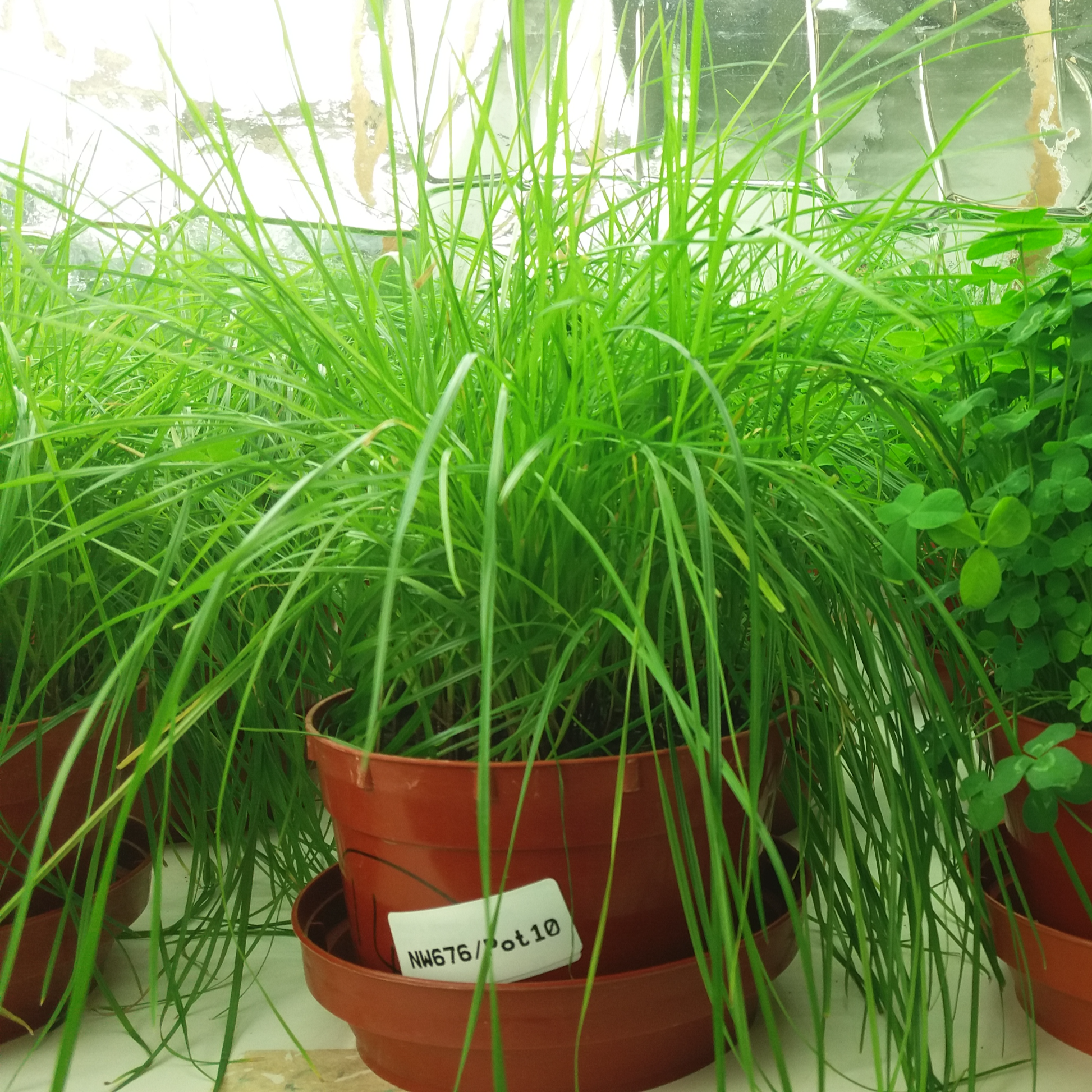
- William Roberts1,
- Tallula Headington1,
- Marieme Drame1,
- Jake Le Grice1,
- Alison Carswell1
- 1Rothamsted Research



Protocol Citation: William Roberts, Tallula Headington, Marieme Drame, Jake Le Grice, Alison Carswell 2025. Harvest protocol for cereal and grass crops from pot trials. protocols.io https://dx.doi.org/10.17504/protocols.io.36wgqnz7ogk5/v1
License: This is an open access protocol distributed under the terms of the Creative Commons Attribution License, which permits unrestricted use, distribution, and reproduction in any medium, provided the original author and source are credited
Protocol status: Working
We use this protocol and it's working
Created: September 18, 2024
Last Modified: August 13, 2025
Protocol Integer ID: 107818
Keywords: grass, cereals, oats, wheat, harvest, pot trial, harvest protocol for cereal, grass crops from pot trial, harvesting protocol for pot trial, harvest protocol, harvesting protocol, grass crop, harvesting, protocol, plant, cereal
Abstract
This is a harvesting protocol for pot trials with cereal or grass crops. It outlines how to harvest the plants and how to process them for further analysis.
Materials
Scissors or shears for cutting plants
Paper bags and zip lock bags, and a means to label them
A threshing machine (for cereal crops)
Balance with at least 2 decimal places
Oven that will reach 80 degrees C.
Wheat and oats harvest
Cut plants as close to the soil surface as possible, ensuring no soil adheres to any part of the plant.
Remove ears, count and record number
Separate the grain from the ears using the Wintersteiger LD180 laboratory threshing machine Internal note: see Safe Working Procedure for LD180 thresher)
Equipment
LD180
NAME
Laboratory thresher
TYPE
Wintersteiger
BRAND
001
SKU
LINK

Collect cleaned grain and put in a paper bag of known weight
Combine the chaff from threshing and the stems, and put in a separate paper bag of known weight
Weigh (g) both fractions on a balance with at least 2 decimal places (after recording the appropriate check weight for the balance to ensure it is functioning accurately). Subtract the bag weights to obtain the fresh weights of each fraction.
Dry both fractions for 48 hrs at 80 ⁰C or until stable weight
Reweigh on the same balance as and record check weight. Subtract the bag weights to obtain the dry weights of each fraction.
Place in labelled zip lock bags
Grass harvest
Leave around 6 weeks between cuts (can vary this depending on assessment)
Cut grass at a height of 5 cm from the soil surface and ensure no soil is adhering to the herbage. Place herbage in a paper bag of known weight.
Weigh (g) on balance with at least 2 decimal places (after recording the appropriate check weight for the balance to ensure it is functioning accurately). Subtract the bag weight to obtain the fresh weight of herbage.
Dry for 48 hrs at 80 ⁰C or until stable weight, leaving the bag open at the top to allow moisture out
Reweigh on same balance as and record check weight. Subtract the bag weight to obtain the dry weight of herbage.
Place in labelled zip lock bags