Sep 19, 2023
Handling and Sampling Herpetofauna - ISL Peru
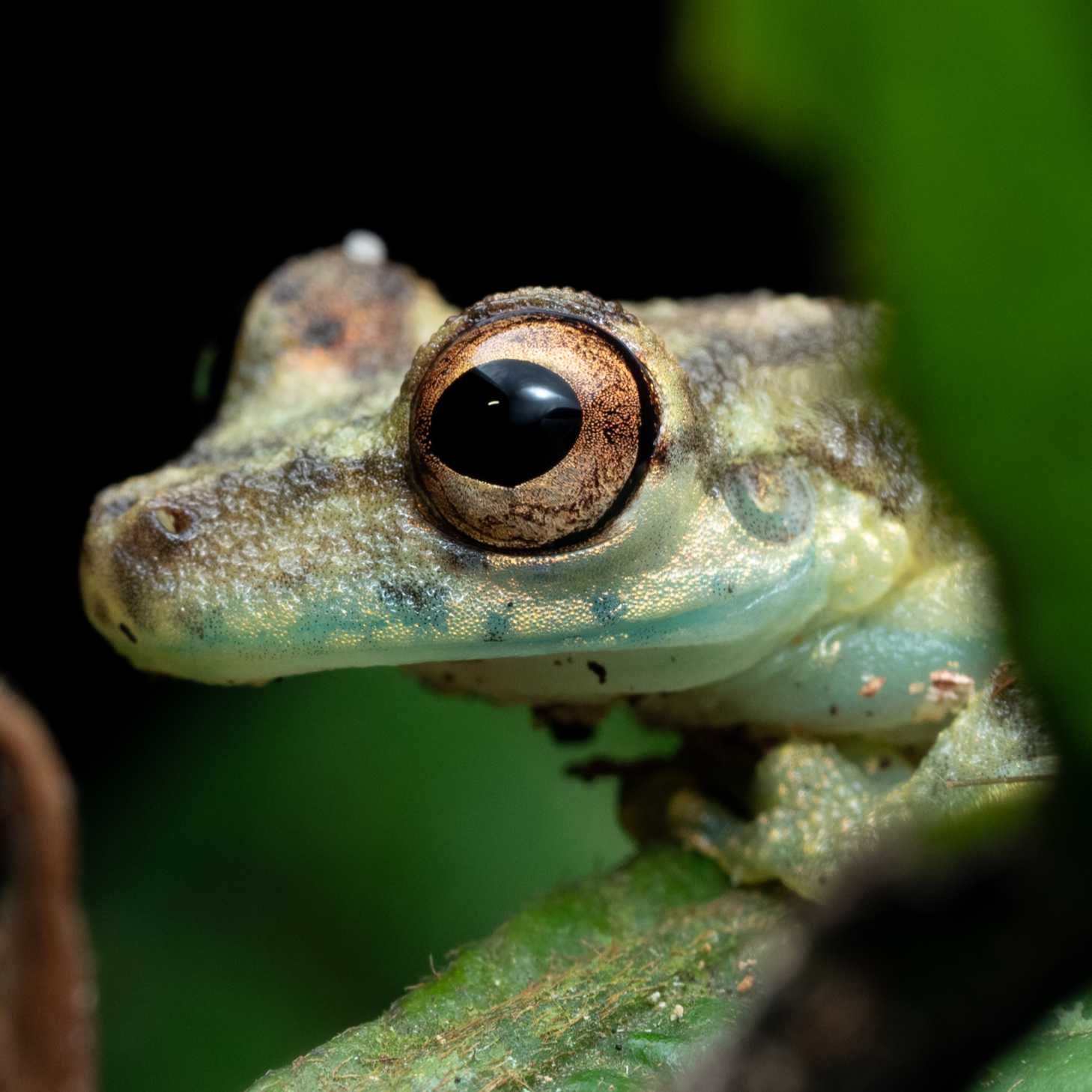
- Zane Libke1,2,
- Timothy Paine1,
- Gideon Erkenswick1,
- Mrinalini Watsa1,3
- 1Field Projects International;
- 2National Institute of Biodiversity - Ecuador;
- 3San Diego Zoo Wildlife Alliance
- In Situ LaboratoriesTech. support email: [email protected]



External link: https://doi.org/10.1038/s41597-025-05697-z
Protocol Citation: Zane Libke, Timothy Paine, Gideon Erkenswick, Mrinalini Watsa 2023. Handling and Sampling Herpetofauna - ISL Peru. protocols.io https://dx.doi.org/10.17504/protocols.io.kxygx98j4g8j/v1
Manuscript citation:
Sánchez-Vendizú P, Erkenswick G, Reyes J, Clinton SL, Espejo TS, Cáceres G, Libke Z, Arana A, Mendoza-Silva J, Tirapelle C, Williams S, Swamy V, Martínez-Altamirano J, Esteves J, Barnuevo-Bullón JP, Hernández-Mejía J, Caffo X, Malpica AM, Salazar-Aragón R, Gutiérrez-Jiménez L, Stabile J, Cuzmar N, Paine TD, Peralta-Aguilar P, Inga-Díaz G, Lescano J, Viñas-Martínez A, McElroy ME, Coayla D, R LL, Pilfold NW, Sacco AJ, Arakaki M, Mena JL, Tobler MW, Salinas L, Arana C, Pacheco V, Prost S, Watsa M (2025) Decoding the Peruvian Amazon with in situ DNA barcoding of vertebrate and plant taxa. Scientific Data 12(). doi: 10.1038/s41597-025-05697-z
License: This is an open access protocol distributed under the terms of the Creative Commons Attribution License, which permits unrestricted use, distribution, and reproduction in any medium, provided the original author and source are credited
Protocol status: Working
We use this protocol and it's working. The protocol is reviewed and updated annually.
Created: March 26, 2023
Last Modified: September 22, 2023
Protocol Integer ID: 79456
Keywords: Herpetofauna, Reptiles, Amphibians, Sampling, Frogs, Handling, Capture, insitulabs, sampling herpetofauna, species observation, herpetofauna, handling amphibian, specific information on species, lowland rainforests of peru, species, isl peru this protocol, reptile, habitat, encounter survey, isl peru, rainforest, peru, most amphibian, rainforest dry season, animal, encounter surveys in search, lowland rainforest, information on the safe capture, participant, capture, genetic sample, safe capture, capture overview, team composition this protocol, sample collection
Funders Acknowledgements:
Gordon and Betty Moore Foundation
Grant ID: 9776
Gordon and Betty Moore Foundation
Grant ID: 9772
United States Forest Service
Grant ID: 21-DG-11132762-302
Disclaimer
This protocol is actively used by Field Projects International at the Estación Biológico Los Amigos, Madre de Dios, Peru. It is revised annually to reflect improved capture, handling, marking, and sampling methodology. It has been reviewed by the ethics committees of multiple institutions. No author nor affiliated institution takes responsibility or bears any liability for the use of this protocol by others. The protocol is listed as having sensitive content since it involves biosampling from wildlife. Note: these procedures should be carried out only by trained personnel, and are not recommended for use without first obtaining all required permissions.
Abstract
This protocol contains information on the safe capture and handling of a wide range of herpetofauna in general. It's focus however is on the Neotropics, and specifically it has been applied in the lowland rainforests of Peru. Please note specific information on species, weather and habitat might be biased towards this demographic.
Program Timing:
Sample collection occurs annually during the rainforest dry season (June - August), in conjunction with other field research activities.
Program Overview:
Researchers conduct visual-encounter surveys in search of herpetofauna. This protocol is designed as a minimally invasive way to obtain species observation and genetic samples from a broad variety of species. Surveys generally take place after dusk and before dawn when most amphibians and reptiles are active.
Team Composition:
This protocol may be carried out be variable numbers of participants, typically more participants means more encounters. At least one pre-designated leader with training in handling amphibians and reptiles is required. Others may assist in capture and handling under supervision and when it is deemed safe.
Capture Overview:
When an individual is encountered, a basic register is made (coordinates, photo, identification, activity), which contributes to basic abundance, richness, and diversity comparisons. Depending on the goal of the study, the animal can be captured for more detailed photos and the collection of associated samples, including but not limited to: biopsies (genomic DNA), skin swabs (disease screening), buccal swabs (genomic DNA & disease screening), and fecal residues (genomic DNA, microbiota, disease screening, diet analysis).
Image Attribution
Zane Libke
Guidelines
Whenever working with amphibians, the researcher handling the animal should wear a clean pair of nitrile gloves. This prevents the transmission of fungal diseases such as Chytrid and Bsal, and protects sensitive amphibian skin from any potentially harmful compounds on human skin.
When working with venomous snakes, a non-contact policy is highly recommended. Venomous snakes are always manipulated with hooks, never with hands. Plastic snake tubes should be used for restraint, for the collection of associated samples. Only experienced & trained employees can manipulate venomous snakes. A contingency plan should be in place in the case of venomous snakebite.
If working with Crocodilians, great care should be taken as these animals can be extremely unpredictable and powerful, even when small or young. Upon capture, it is recommended that a low-adhesive tape (such as electrical tape) or strap be tightened around the animal's jaws to avoid all possibilities of an accidental bite.
Materials
All materials listed below are deliberately chosen to be generic, so that similar items may be sourced in different countries by different teams.
Animal Datasheets
 HerpForm_encounter_hardcopy.pdf30KB HerpForm_processing_hardcopy.pdf35KB
 ODK Form
All animal and sample information collected on the hardcropy datasheet is entered into an associated digital form made with Open Data Kit Software. ODK central will generate the form from this excel file: FPI-ODK_2023_herpetofauna_handling.xlsx89KB
FPI-ODK_2023_herpetofauna_handling.xlsx89KB Field Collection
- Clean, uniquely numbered plastic collection bags
- Clean, uniquely numbered cloth bags
- Clean, uniquely numbered pillowcases
- Clean pair of nitrile gloves for each amphibian handled.
- Flagging tape
- Sharpie marker
- Snake hook
- Headlamp + extra batteries
- Proper field clothing and bug protection for sampling area (see SAFETY WARNINGS)
- GPS enabled Smartphone.
- Camera (optional for more detailed photos)
- Backpack for transportation of collected specimens.
- Environmental thermometer
Miscellaneous
- Clipboard
- 30+ processing sheets
- Pens, sharpies
- Sharps container
- Trash bag
- Gloves—size (S,M,L) - nitrile.
- Masks (N95) x6
- Processing table
- 2 Plastic processing trays
- Masking tape
- Duct tape
- Paper towels
- Tent (if sampling in the field)
Electronics
- Voice recorder (charged) + extra batteries
- 2 Stopwatches
- Camera, preferably with macro lens
Sampling Materials
Tools
- 3 anatomical forceps
- 2 Scissors (one straight, one curved)
- Scalpels (multiple)
Blood
- 15 falcon tubes
- 2 tubes of micro hematocrit capillary tubes (at least 50)
- Clay
- Cotton buds (30+)
- Vaseline
Blood smears
- Full box (~20)
- Empty box for used smears
- Bag of Kim wipes (full)
Sample box (at least 5 of each):
- Longmire's blood tubes (LB)
- Longmire’s biopsy tubes (LBp)
- Longmire’s Bd swab tubes (Bd)
- Longmire’s buccal swab tubes (LBuc)
- Scale Mercury tubes (Smerc)
- RNALater Fecal tubes (poop)
- Longmire Fecal tubes (Lpoop)
- Ectoparasite collection tubes (E)
- Fecal collection tubes
General
- 10% bleach spray bottle
- 70% Alcohol spray bottle
- Hydrogen peroxide
- Cotton
- 1, 3, mL syringes ( 5 of each)
- Antiseptic towelettes, 10+
- 25-gauge needles, 30+
- Buccal swabs, 60+
- Tube rack
Sterilization kit
- 10% Bleach falcon tube
- 2 distilled water falcon tubes
- 1 x 70% alcohol falcon tube
Cooler for samples
- Ice pack
- Ziplock bags
Medical
- Saline solution 100ml
- Antiseptic solution
- Tissue glue
Measuring material
- Caliper
- Ruler
- Scales
Safety warnings
Chytridiomycosis
Batrochytridium dendrobatidis (Bd), known as "Chytrid fungus", is an infectious fungal disease responsible for worldwide declines in amphibian populations. Transmitted through infected water, the infection known as "chytridiomycosis" invades amphibian skin and causes electrolyte depletion, osmotic imbalance, and in certain cases, death (DCEEW). For this reason, all researchers involved in amphibian handling should wear clean nitrile gloves, and care should be taken to avoid cross contamination between individual amphibians.
Bite Procedure
In the case of a venomous snake bite, the affected bite site should be elevated, and if possible wrapped in a compression bandage. Patient should be treated for shock and transported to medical facilities as soon as possible. Please consult a medical specialist for care. This protocol is not intended to be a directive for care.
Disease Risk
It is recommended to avoid the use of DEET-based insect repellents, as they can be toxic to amphibian’s sensitive skin, but do so with caution. Should one decide not to wear repellent, it is critical that head to toe clothing (including mosquito nets) is worn, to prevent exposure to mosquito-borne diseases. Before conducting a survey, every researcher should be well-educated on disease risks in the area. The United States' CDC or similar organisations in country are a good source for this type of information.
Ethics statement
This protocol is modified annually as improvements are discovered, better technique is published, or new technologies are available. This protocol is based on prior versions that received approved by Institutional Animal Care and Use Committees (IACUC) of the University of Missouri - St. Louis, Washington University in St. Louis, and, most recently, by San Diego Zoo Wildlife Alliance.
Before start
Choose appropriate survey sites for the habitat and research/conservation goals.
ROLES
TEAM COMPOSITION
This protocol may be carried out be variable numbers of participants, and typically more participants means more encounters/discoveries during the survey. At least one pre-designated leader with training in handling amphibians and reptiles is required for every group. Thus, if a larger team of 8 people will be divided into two teams of 4, two leaders are needed. Any participant may assist in capture and handling (under supervision) when it is deemed safe by the leader.
During animal PROCESSING it is recommended to have:
- a trained PHOTOGRAPHER
- an EXPERIENCED HANDLER
- and a DATA RECORDER
VISUAL SURVEY
Before sampling begins, research coordinators designate transects. Distances can vary, but to allow for comparisons between different habitat types all transects should be the same distance and receive the same amount of sampling effort (measured as researchers * time, Eg. 4 researchers conducting 2 hours of sampling = 8 hours sampling effort).
Researchers walk at a pace of 200m/hour, single file, typically at night, maintaining at least 5 meters of distance from the researcher in front of them (important to avoid interference from other researcher’s headlamps).
When an animal is encountered
1. Attempt an in-situ photo before disturbing it;
2. Record coordinates, activity & time (see Encounter Form in attachments);
3. Identify species (see local & regional guides, or iNaturalist);
4. If deemed necessary, capture the animal for sample processing;
ANIMAL CAPTURE
- Refer to taxa specific instructions below
- Record bag # for the captured specimen in the Encounter Form
- Store individuals in designated specimen backpack for transport back to the station or tent.
- Animals should NOT be maintained for more than 48 hours from the time of capture to release, and ideally only for 24h at the most.
Frogs & salamanders: with a new pair of nitrile gloves, gently cup the individual in hand, and quickly place in a plastic bag to minimize handling time.
Lizards: smaller lizards can be captured using the same cupping method used for amphibians. Medium & large sized lizards should be captured by grasping firmly by the back of the neck, maintaining control over the mouth, and releasing feet from substrate with the other hand. Most lizards, except geckos, should be transported in cloth bags.
Snakes: Snakes should only be captured by trained & experienced researchers who can positively ID the snake. Many nonvenomous snakes are extremely docile and can be captured by simply picking them up and allowing them to crawl among your hands like a branch. More aggressive individuals can be restrained by VERY GENTLY grasping at the back of the neck/head (this should only be performed by trained individuals – snakes have delicate, easy to break skulls and vertebrae). Venomous snakes should only be manipulated with snake hooks and by trained researchers.
Caecilians: Morphological nature and ability to slough skin can make them difficult to grasp. If unable to pick the individual up, attempt placing the bag in front of its path and allow it to slither into the bag.
PROCESSING
RECORDING DATA
We recommend recording data in the Processing Form (see attached: HerpForm_processing_hardcopy.pdf111KB ). Once completed, we provide an example file that can be used to set up a data collection system online using systems based on ODK (https://getodk.org/).
HerpForm_processing_hardcopy.pdf111KB ). Once completed, we provide an example file that can be used to set up a data collection system online using systems based on ODK (https://getodk.org/).Start a VOICE RECORDER just before processing any animals. Say aloud: (1) the full date and time; (2) the animal numbers that will be processed; (3) the team members participating.
Leave it running close to the animal processing area. This serves as a backup should any data be missed or incorrectly recorded during processing. Should the data recorder need to stop to assist in processing, there will always be a recorded backup of the proceedings.
Weigh the first animal in its bag.
Note
Recommend to take a picture of the animal bag (with number) or processing sheet before removing the animal from its bag.
Remove the animal from the bag then:
- weigh the empty bag;
- collect any feces found in bag
MEAUREMENTS
Measure SVL (Snout-to-Vent Length) with calipers, making sure that the animal is as straight as possible for accurate measurements.
Note
For most frogs, SVL measurements can be taken through the clear plastic bag to minimize contact and stress to the animal
SAMPLING
PREPARING THE AREA FOR SAMPLING
First, lay out all tools and supplies in advance of processing to be fully prepared. Arrange the area similar to the way items are arranged in the image below.
To minimize the risk of infection to the animals, all tools (eg. surgical scissors, scapels) should be be wiped clean before and after use with a Kim wipe (to clear off any macroscopic debris).
Then they should be sterilized with a quadruple wash system - submersion in 10% bleach for 3 minutes, rinse in distilled water x 2, and a rinse in 70% ethanol.
Finally air dry or manually dry them with a clean Kim wipe or paper towel. Ensure that tools are completely dry before sampling to avoid exposure of amphibian skin to ethanol.
TAIL BIOPSY (CAUDATES, CAECILIANS, SQUAMATES)
Note
It is imperative that this process is performed as quickly as possible, by experienced individuals.
Reptiles should be lightly rinsed with clean water to remove debris before cutting their distal tail tip (<=3mm). Specifically:
- One researcher should restrain the animal with one hand gently clasped around the neck and the other supporting the lower half of the body and tail ->
- Another researcher should sustain the very tip of the tail with tweezers->
- Quickly and decisively cut the tail tip and place in a tube with lysis buffer with the help of tweezers ->
- A few drops of blood can be collected in a tube with lysis buffer.
Tail biopsy on a snake.
Note
The capillary action of collection tubes is usually sufficient to draw (pull) blood without force. For certain lizards and snakes, the “toothpaste method” may be effective at collecting blood from an amputated tail tip. With the tail hanging down vertically, and the tip of the tail over an open tube, gently squeeze from the base of the tail down to the tip to release blood. If blood can be collected this way, a blood draw is not required
Safety information
Clipping the distal tip of lizards emulates individuals who naturally lose their tail tip in nature.
USDA Pain/Distress Category: C
"No more than momentary or slight pain or distress and no use of pain-relieving drugs, or no pain or distress. For example: euthanatized for tissues; just observed under normal conditions; positive reward projects; routine procedures; injections; and blood sampling."
Post-Procedure Monitoring
Monitor the amputated tail for bleeding. This blood can be collected. No medication should be placed on the wound.
TOE BIOPSY (ANURANS)
To limit impacts on animals, 1-2 toes are clipped per individual, avoiding functionally important toes: proximal toes (front feet), fourth toes (hind feet) (Grafe et al. 2011).
Citation
LINK
Note
It is imperative that this process is performed as quickly as possible, especially for small species or species which stress easily (Eg.Pristimantis, Phyllomedusa). Only experienced individuals should perform this process.
Amphibians should be lightly rinsed with clean water to remove debris before cutting their first phalanx. Specifically:
- Pick up the animal ->
- Restrain the animal in non-dominant hand, using the thumb to subject its ventral side and flip it on its back ->
- With your dominant hand, arrange the back leg (left or right) so that it can be grasped firmly by the thumb and forefinger, allowing the body of the frog to be sustained by the rest of the hand ->
- Fan out the fingers of the back foot->
- Position scissors just past the toe pad of designated finger and cut quickly and decisively ->
- With the help of tweezers, place the biopsy in a tube with lysis buffer.
Method for restraining a frog for toe biopsy. The foot is restrained firmly and gently between the forefinger and thumb. The remaining 3 fingers should wrap gently around the body of the frog to restrain movement (photo is shown with the fingers open for demonstrational purposes).
Toe clipping of the fifth digit with sterilized scissors. Typically the tip of the phalange of the 5th digit is taken, but other toes can be taken in patterns for mark-recapture purposes. For larger specimens, tweezers should be used to sustain the toe to be clipped, but with smaller individuals the clipped toe will often stick to the scissors.
For most DNA-barcoding studies, a very small amount of tissue is necessary. This can be obtained without causing harm to the animal by following the guidelines above.
Safety information
Toe cutting is a widely used technique for collecting amphibian tissue samples (Perry. et al. 2011) and is considered an appropriate method of tissue collection when precautions such as sterilizing equipment and wearing single-use gloves are followed.
USDA Pain/Distress Category: C
"No more than momentary or slight pain or distress and no use of pain-relieving drugs, or no pain or distress. For example: euthanatized for tissues; just observed under normal conditions; positive reward projects; routine procedures; injections; and blood sampling."
RISKS
Studies have indicated that cutting of the toes in amphibians does not necessarily have a negative impact on their body condition.
Citation
LINK
Citation
LINK
Citation
LINK
Citation
LINK
Furthermore, studies in salamanders revealed that toe clipping did not affect the stress hormone responses or behavior of amphibians with toe clipping
Citation
LINK
Toe clipping can have differential impacts by species, and the number of toes clipped is correlated with impact. For example, clipping 3 and 4 toes was found to reduce survival by up to 11% in one species, but had no effect on another; but clipping only two toes didn't have an effect on either species.
Citation
LINK
Citation
LINK
Finally, one study determined that clipping of one toe on each of two feet had negligible impacts on survival, which is the approach we take in this study.
Citation
LINK
Post-Procedure Monitoring
Monitor the amputated toe for bleeding. Small anurans typically do not bleed. Larger individuals such as Rhinella & Leptodactylus may bleed slightly. This blood can be collected for genetics. No medication should be placed on the wound.
Citation
LINK
SCALE BIOPSY (SQUAMATES)
One researcher should restrain the animal with one hand gently clasped around the neck and the other supporting the lower half of the body and tail.
Flip the mid-section of the snake upside down to expose the large ventral scutes.
Another researcher should cut along the edge of the ventral scale, while another assistant sustains the cut scale with tweezers. Note: all materials should be sterile, as indicated above.
Three 1-2mm wide scale clips should be collected in this manner – store one in a tube with lysis buffer for genomic DNA, and store the other two dry in a 1.5mL tube for mercury analysis. (Note: mercury analysis is relevant to southeastern Peru, but other toxicology could be done on these types of samples elsewhere as well).
Caption: Scale biopsy on a large viperid snake. The cut should start from the side of the ventral scale and continue along the edge of the scale. Take care to leave the cut uniform without any overhanging scale pieces. This process should be performed by two individuals - one researcher to restrain the snake, and the other to operate the scissors and tweezers. Courtesy of Jorge Luis Mendoza Silva.
Safety information
USDA Pain/Distress Category: C
"No more than momentary or slight pain or distress and no use of pain-relieving drugs, or no pain or distress. For example: euthanatized for tissues; just observed under normal conditions; positive reward projects; routine procedures; injections; and blood sampling."
SKIN SWAB
(EXCERPT FROM SDZ ICR): Using a single swab, gently swab the ventral surfaces of the skin approximately 15-20 times. Target areas to include the pelvic patch (5 passes with the swab), ventral thighs (5 passes each side with the swab) and toe webbing (5 passes on each foot). It is not necessary to swab the dorsal skin surfaces.
Rotating the long-side of a flocked-tip swab across the frogs body to swab areas where the fungus gathers.
Safety information
USDA Pain/Distress Category: C
"No more than momentary or slight pain or distress and no use of pain-relieving drugs, or no pain or distress. For example: euthanatized for tissues; just observed under normal conditions; positive reward projects; routine procedures; injections; and blood sampling."
FECES
Collect feces expelled by the animal during or before processing with a sterile swab, and place into tubes with lysis buffer. Note collection surface and potential sources of contamination (e.g. bag, sampling table)
Safety information
USDA Pain/Distress Category: C
"No more than momentary or slight pain or distress and no use of pain-relieving drugs, or no pain or distress. For example: euthanatized for tissues; just observed under normal conditions; positive reward projects; routine procedures; injections; and blood sampling."
ECTOPARASITES
Visually inspect the exterior of the animal and look/feel for bumps underneath scales. Carefully remove ectoparasites with sterile tweezers and place in a tube with > 70% ethanol.
The image shows the presence of an ectoparasite (tick) on the body of a Corallus hortulanus snake. Courtesy of Jorge Luis Mendoza Silva.
Safety information
USDA Pain/Distress Category: C
"No more than momentary or slight pain or distress and no use of pain-relieving drugs, or no pain or distress. For example: euthanatized for tissues; just observed under normal conditions; positive reward projects; routine procedures; injections; and blood sampling."
BLOOD DRAW (REPTILES)
One researcher should place the animal in dorsal recumbency (i.e. on it's back).
Once animals are restrained, the area is sterilized with a prep pad and blood is collected with a sterile syringe at 45 degree angle and needle by blood draw or venipuncture of the caudal tail vein (snakes and lizards), ventral tail vein (turtle), brachial plexus (tortoise). Care should be taken to insert the needle between the scales as opposed to through.
Once the desired volume of blood is reached:
- gently retract the needle and apply pressure to the puncture site.
- Place 1 drop of blood on a 2 sterile microscope slides and perform a blood smear.
- If desired, perform a keto mojo glucose or ketone test immediately.
- The rest of the blood can be stored whole (freeze immediately), or diluted in lysis buffer.
Needle angle and position of a blood draw from a snake, distal to the cloaca. Courtesy of Jorge Luis Mendoza Silva.
Note
In reptiles, the most common method for blood sample collection is the ventral coccygeal vein, which extends the ventral and can be accessed ventrally or laterally from the base of the tail. Be sure to access the vein caudal to the cloaca to avoid male hemipenes. Guidelines recommend accessing the vein at at least 20% of the distance from tail base to tail tip.
"The needle should be long enough to reach the vertebral body and of an appropriate diameter relative to the vessel size. For medium and large lizards, a 25-gauge needle of length 1–1.5 in is attached to a 3-ml syringe. For small lizards, a 27- gauge needle of length 0.5 in is attached to a 0.5- to 1-ml syringe. A 25-gauge butterfly catheter attached to a syringe can also be used."
Tips:
- insert the needle at a 45-degree angle to the vertebrae, advancing the needle until it makes contact with the vertebral body.
- Gentle negative pressure is applied to the syringe while slowly retracting the needle until blood begins to flow.
Safety information
In all cases, total volume of blood collected in mL will be < 0.5% of animal body weight (g).
USDA Pain/Distress Category: C
"No more than momentary or slight pain or distress and no use of pain-relieving drugs, or no pain or distress. For example: euthanatized for tissues; just observed under normal conditions; positive reward projects; routine procedures; injections; and blood sampling."
Risks
Loss of excessive blood: Venipuncture does not cause excessive blood loss, and left alone blood rapidly coagulates and stops bleeding. However, we hasten this process by applying light pressure to the puncture site once blood is collected.
Post-procedure monitoring
None except confirming that the puncture site is not bleeding before animal is released
PROCESSING
PHOTOGRAPHS
Take images of the animal after sample collection to avoid potential sample contamination.
RETURN TO BAG
When PROCESSING is complete the animal is gently returned to the bag in which it was collected and placed in a dark, quiet location with minimal stimulus.
CLEANING
Clean the surfaces that have been in contact with the animal or its secretions by:
- Spraying and wiping with 10% bleach and then 70% alcohol;
- Disinfect all tools used during the processing with the sterilization solutions procedure: submerged in 10% bleach for 3 minutes -> 1st rinse in distilled water -> 2nd rinse in distilled water -> submerge in 70% ethanol
- Dry all tools and surfaces with clean paper towels
Repeat PROCESSING for each animal, unless instructed otherwise by the PI or team leader.
END SESSION
WRAP-UP
Once all animals have been placed back into their bags and carefully set aside for release the team should:
- End the VOICE RECORDER after stating the following: full date, location, number of animals processed, names of each team member.
- Clean materials used for processing
SAMPLE SORTING
Organize all samples according to the sample storage protocol.
Unless otherwise indicated by the PI, all other samples should be stored in the freezer until sample intake procedure the next day. NOTE, serum samples must be spun and extracted to a serum storage tube the same night and stored frozen.
Note
Immediate freezing will cause tissue to break and cells to lyse, and is important for nucleic acid based research. However, samples designated for morphological analysis will be ruined by freezing. Cell isolation by centrifugation will also be ruined if freezing occurs prematurely.
Retrieve the recording from the voice recorder. Name the file using the following convention "YYYY-MM-DD_HERPsession
Check information on the PROCESSING SHEET, and listen to the VOICE RECORDER to fill in missing information with a differently colored ink pen (usually red).
Gather pictures and videos from and sort them into designated folders on the project hard drive
Scan the hard copy data and convert them into PDF files.
Group all the files from step 19 into a unique folder named by the date and range of capture numbers used [yyyy-mm-dd_herps##-##]
Upload data into an electronic database from the Processing and Encounter Sheets. If you are using an ODK-friendly system, please see the attached ODK file for import to automatically create an editable form per animal.
Check that the laboratory team has all information they need for long-term sample storage
Re-supply and pack materials for the next capture session
RELEASE
Animals in holding bags or containers should be checked on every 6 hours, approximately. Release in < 48 hrs (sooner the better) at the site of capture for each animal.
Protocol references
Australian Government Department of Sustainability, Environment, Water, Population and Communities (Accessed on September 13, 2023). CHYTRIDIOMYCOSIS (AMPHIBIAN CHYTRID FUNGUS DISEASE). environment.gov.au. https://www.dcceew.gov.au/sites/default/files/documents/c-disease_1.pdf
Brown, C. (2007).Blood sample collection in lizards. Lab Animal, 36(8), 23–24.doi:10.1038/laban0907-23
Grafe, T.U., Stewart, M.M., Lampert, K.P. and Rödel, M.O., 2011. Putting toe clipping into perspective: a viable method for marking anurans. Journal of Herpetology, 45(1), pp.28-35. https://doi.org/10.1670/10-016.1
Perry, G., Wallace, M.C., Perry, D., Curzer, H. and Muhlberger, P., 2011. Toe clipping of amphibians and reptiles: science, ethics, and the law1. Journal of Herpetology, 45(4), pp.547-555. https://doi.org/10.1670/11-037.1
San Diego Zoo Wildlife Alliance. (Accessed on September 13, 2023). SAMPLING PROTOCOL FOR AMPHIBIAN CHYTRID FUNGUS. https://science.sandiegozoo.org/sites/default/files/Chytrid%20guidelines%202019.pdf
Thomas V, Van Rooij P, Meerpoel C, Stegen G, Wauters J, et al. (2020)Instant killing of pathogenic chytrid fungi by disposable nitrile gloves prevents disease transmission between amphibians. PLOS ONE 15(10): e0241048.https://doi.org/10.1371/journal.pone.0241048
Citations
Step 13
Gad Perry, Mark C. Wallace, Dan Perry, Howard Curzer, Peter Muhlberger. Toe clipping of amphibians and reptiles: science, ethics, and the law
https://doi.org/10.1670/11-037.1Step 13
T. Ulmar Grafe, Margaret M. Stewart, Kathrin P. Lampert, Mark-Oliver Rödel. Putting Toe Clipping into Perspective: A Viable Method for Marking Anurans
https://doi.org/10.1670/10-016.1