Jun 08, 2026
Extraction of Low-Molecular-Weight Compounds from Mouse Serum and Brain Tissue
- Carl Olson1,
- Niki Shariati1,
- Jana Populová1,
- Monika Řehořová1,
- Ondřej Novák1
- 1Second Faculty of Medicine, Charles University Prague
- Novák Lab of Neural Circuit Optophysiology



Protocol Citation: Carl Olson, Niki Shariati, Jana Populová, Monika Řehořová, Ondřej Novák 2026. Extraction of Low-Molecular-Weight Compounds from Mouse Serum and Brain Tissue. protocols.io https://dx.doi.org/10.17504/protocols.io.dm6gp7r35gzp/v1
Manuscript citation:
bioRxiv: C.V.L. Olson, N. Shariati, N. Procházková, K. Čížek, M. Řehořová, J. Populová, J.T. Rozlivková, S. Wang, B. Ricketts, B. Kučerová, J. Kudláček, B. Straka, P. Jiruška, O. Novák. Dasatinib–Quercetin May Reduce Senescence Markers, Without Senolysis or Seizure Modification, in a Mouse Model of Focal Cortical Dysplasia (2026). bioRxiv; https://doi.org/10.64898/2026.05.19.726138
License: This is an open access protocol distributed under the terms of the Creative Commons Attribution License, which permits unrestricted use, distribution, and reproduction in any medium, provided the original author and source are credited
Protocol status: Working
We use this protocol and it's working
Created: March 09, 2026
Last Modified: June 08, 2026
Protocol Integer ID: 305437
Keywords: low-molecular-weight compounds, LMW extraction, serum extraction, brain tissue extraction, protein precipitation, cold organic solvent, acetonitrile, methanol, formic acid, LC-MS/MS, liquid chromatography mass spectrometry, internal standard, stable isotope labeling, dasatinib, quercetin, senolytic, molecular weight cutoff, MWCO filtration, sample preparation, mouse serum, mouse brain, pharmacokinetics, tissue homogenization, metabolite extraction, analyte quantitation, weight compounds from mouse serum, liquid chromatography, extraction solvent for all study sample, extraction solvent, tandem mass spectrometry, extraction of low, macromolecules before analysis, extraction, serum, weight compound, brain tissue for quantitation, clarified extract, brain tissue this protocol, macromolecule, extract, protein, brain tissue
Funders Acknowledgements:
Ministry of Health of the Czech Republic
Grant ID: NW24-04-00041
National Institute for Neurological Research (Programme EXCELES)
Grant ID: LX22NPO5107
Charles University EXCITE
Grant ID: UNCE24/MED/021
Charles University
Grant ID: PRIMUS/23/MED/011
Disclaimer
This protocol is provided for research purposes. All procedures involving animals must comply with institutional and national ethical regulations. Users should follow appropriate laboratory safety procedures when handling biological samples and organic solvents.
Abstract
This protocol describes the extraction of low-molecular-weight (LMW) polar and semi-polar compounds from mouse serum and brain tissue for quantitation by liquid chromatography–tandem mass spectrometry (LC–MS/MS). Proteins are precipitated by cold organic solvent (1:1 acetonitrile:methanol + 0.1% formic acid, pre-chilled to −20 °C). The clarified extract is sequentially filtered through a 0.22 µm filter and then a 30 kDa molecular-weight cut-off (MWCO) membrane to remove residual particulates and macromolecules before analysis. Stable isotope-labeled internal standards may be spiked into the extraction solvent for all study samples. Serum and brain tissue are processed in parallel from the same animal at the terminal time point.
Image Attribution
Guidelines
- Work quickly when handling biological samples to minimize metabolite degradation. All solvents and samples should be kept cold during the extraction procedure. Pre-chill centrifuges, tubes, and extraction solvents before starting the protocol.
- Avoid repeated freeze–thaw cycles of serum or tissue samples, as this may affect metabolite stability. If internal standards are used, they should be added consistently across all samples to ensure reliable downstream analysis.
Materials
Reagents
| A | B | C | |
| Acetonitrile (MeCN), LC–MS grade | Standard supplier | ||
| Methanol (MeOH), LC–MS grade | Standard supplier | ||
| Formic acid (FA), LC–MS grade | Standard supplier | 0.1% (v/v) final in extraction solvent | |
| Internal Standard (optional) | Standard supplier | 200 nM final concentration in IS extraction solvent | |
| PBS + heparin (20 IU/mL) | Standard PBS; heparin sodium, pharmaceutical grade | For brain perfusion; prepare fresh; keep on ice | |
| Ketamine/xylazine | Veterinary grade | 120 mg/kg ketamine + 20 mg/kg xylazine for terminal overdose |
Equipment and Consumables
| A | B | C | |
| Microcentrifuge tubes (1.5–2 mL) | Standard | Pre-chill before use | |
| 0.22 µm microcentrifuge filter tubes | #CLS8160; Sigma-Aldrich | First filtration step | |
| 30 kDa MWCO microcentrifuge filter tubes | #MRCF0R030; MilliporeSigma | Second filtration step; removes macromolecules | |
| Probe sonicator / homogenizer | Sonoplus UW 2070; Bandelin Electronic, Berlin, Germany | For brain tissue homogenization on ice | |
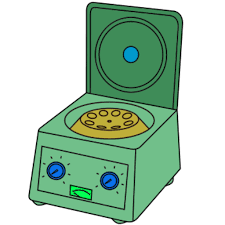
| Refrigerated microcentrifuge | Capable of 16,000 × g at 4 °C | Pre-cool rotor before use | |
| 20 GA needle and syringe | Standard | For cardiac blood aspiration | |
| Uncoated collection tubes | Standard | For blood coagulation; do not use EDTA or heparin tubes | |
| Analytical balance | Standard | For brain wet weight | |
| Vortex mixer | Standard | ||
| −80 °C freezer | Standard | For extract storage |
Troubleshooting
Problem
Visible pellet carry-over in supernatant
Solution
Disturbed pellet during transfer; centrifugation insufficient.
Leave a small dead volume above the pellet; increase centrifugation time to 15 min.
Problem
Poor analyte recovery (low IS signal)
Solution
Solvent not pre-chilled; protein precipitation incomplete; filter membrane retention.
Confirm solvent is at −20 °C before use; extend precipitation to 25 min; check filter tube lot.
Problem
Variable IS signal across samples
Solution
Inconsistent aliquot volumes; pipetting error with IS solvent.
Use calibrated pipettes; vortex IS solvent before use to ensure homogeneity; record aliquot volumes.
Problem
Very low serum yield
Solution
Insufficient blood volume aspirated; haemolysis.
Use a larger syringe; aspirate more slowly; ensure animal is fully anesthetized before aspiration.
Problem
Brain homogenate not fully homogenized
Solution
Probe too short; power too low; sample too cold.
Use short, repeated sonication bursts; ensure probe tip is submerged; check sonicator probe contact.
Problem
Filter membrane clogged (no flow-through)
Solution
Insufficient centrifugation; membrane incompatible with solvent.
Increase centrifugation time; confirm filter tube compatibility with acetonitrile/methanol mixtures.
Safety warnings
- Acetonitrile and methanol are flammable and toxic solvents. Prepare and handle all extraction solvent in a chemical fume hood. Wear nitrile gloves, eye protection, and a lab coat. Dispose of organic solvent waste according to institutional guidelines.
- Formic acid is a corrosive irritant. Avoid inhalation and skin contact. Add to the solvent mixture in the fume hood.
Ethics statement
All animal procedures at the terminal time point must comply with applicable regulations. This protocol was approved under Project License No. MSMT-26023/2023-5 (Second Faculty of Medicine Ethics Committee), Czech Republic, in accordance with EU Directive 2010/63/EU.
Before start
- Animals have completed the experimental timeline and are scheduled for terminal sample collection.
- Internal standard (IS) stock solutions are prepared and aliquoted. IS extraction solvent is prepared the day before (see Part 1).
- All centrifuge rotors and microcentrifuge tubes are pre-chilled to 4 °C. A −20 °C freezer is accessible for solvent pre-chilling and protein precipitation steps.
- Serum and brain samples from the same animal are collected in sequence at a single terminal session. Plan the workflow so that both sample types are processed without delay between aspiration and freezing.
- Two animals per experiment are designated for calibration curve matrix generation and are extracted without internal standards (see Part 6).
Preparation of Extraction Solvent
Mix acetonitrile and methanol (LC–MS grade) 1:1 (v/v). Add formic acid (LC–MS grade) to 0.1% (v/v). This is the base extraction solvent.
(OPTIONAL) Prepare the internal standard (IS) extraction solvent: prepare a second batch of base extraction solvent and supplement with IS, each at a final concentration of at least 200 nM.
Aliquot both solvents into labelled tubes. Pre-chill to −20 °C and store overnight until use.
Terminal Overdose
Administer a terminal overdose by intramuscular injection of ketamine/xylazine at 120 mg/kg and 20 mg/kg, respectively. Confirm full loss of consciousness and absence of pedal withdrawal reflex before proceeding.
Serum Collection
25m
Aspirate 0.5–1.0 mL whole blood from the left ventricle of the anesthetized animal using a 20 GA needle and syringe.
Transfer blood immediately to labelled uncoated tubes. Allow to coagulate at room temperature (approximately 25 °C) for 10–15 minutes.
15m
Centrifuge at 2,000 × g for 10 minutes at 4 °C.
10m
Carefully transfer the serum (upper layer) to a fresh labelled tube without disturbing the cell pellet. Proceed immediately to serum extraction or place on ice.
Brain Collection and Homogenization
Following blood aspiration, perfuse the animal transcardially with 20 mL of ice-cold PBS containing heparin at 20 IU/mL.
Explant the brain. Weigh immediately on an analytical balance and record the wet weight.
- Expected weight: approximately 230 mg (mean ± SEM: 230 ± 6 mg).
Transfer the brain to a pre-chilled microcentrifuge tube. Add the pre-chilled extraction solvent at a ratio of 3 µL solvent per 1 mg wet tissue.
- Example: 230 mg brain → 690 µL extraction solvent
Homogenize the brain on ice using the Sonoplus UW 2070 probe sonicator (Bandelin Electronic) or similar. Use short bursts to ensure thorough homogenization while keeping the sample cold throughout.
Protein Precipitation and Sequential Filtration
1h
For serum: transfer 300 µL aliquots of serum to pre-chilled microcentrifuge tubes. Add 3 volumes (900 µL) of pre-chilled IS extraction solvent if using IS; otherwise add standard extraction solvent. Vortex briefly.
For brain homogenate: the extraction solvent was added and homogenization performed earlier. No additional solvent addition is required.
Incubate all samples at −20 °C for 20 minutes to ensure complete protein precipitation.
20m
Centrifuge at 16,000 × g for 10 minutes at 4 °C.
10m
Carefully transfer the clarified supernatant to a fresh tube without disturbing the protein pellet.
Transfer the clarified supernatant to a 0.22 µm microcentrifuge filter tube (#CLS8160; Sigma-Aldrich).
Centrifuge at 16,000 × g for 15 minutes at 4 °C. Transfer the filtered filtrate to a fresh tube.
15m
Transfer the filtered liquid to a 30 kDa MWCO microcentrifuge filter tube (#MRCF0R030; MilliporeSigma).
Centrifuge at 16,000 × g for 15 minutes at 4 °C. Collect the filtrate (flow-through).
15m
Storage
Transfer all filtered extracts to fresh, labelled microcentrifuge tubes. Store at −80 °C until LC–MS/MS analysis.
OPTIONAL: Calibration Curve Matrix Preparation
Process the two designated calibration animals using plain extraction solvent (no IS) through Parts 3–5.
Pool the serum extract from both animals. Separately pool the brain extracts from both animals.
Prepare calibration points by spiking pooled matrix with target compounds separately, spanning a concentration range of 1–1000 nM. Additionally spike IS at a fixed concentration of 100 nM across all calibration points.
Acknowledgements
The authors want to thank the EpiReC consortium for their support.