Feb 06, 2023
Version 2
Calcium chloride transformation buffer V.2
This protocol is a draft, published without a DOI.
- 1University of Oslo



Protocol Citation: Andreas Sagen 2023. Calcium chloride transformation buffer. protocols.io https://dx.doi.org/
License: This is an open access protocol distributed under the terms of the Creative Commons Attribution License, which permits unrestricted use, distribution, and reproduction in any medium, provided the original author and source are credited
Protocol status: Working
We use this protocol and it's working
Created: February 05, 2023
Last Modified: February 06, 2023
Protocol Integer ID: 76416
Keywords: Transformation buffer, heat transformation, chemical transformation, calcium chloride, cacl2, calcium chloride transformation buffer calcium chloride, binding of plasmid dna, addition of calcium chloride, plasmid dna, calcium ion, charged calcium ion, lipopolysaccharide, charged dna backbone, dna backbone, dna, cell upon heat shock, cell biology, cell suspension, chilled cell, transformation
Abstract
Calcium chloride (CaCl2) transformation is a laboratory technique in prokaryotic (bacterial) cell biology. The addition of calcium chloride to a cell suspension promotes the binding of plasmid DNA to lipopolysaccharides (LPS). Positively charged calcium ions attract both the negatively charged DNA backbone and the negatively charged groups in the LPS inner core. The plasmid DNA can then pass into the cell upon heat shock, where chilled cells (+4°C) are heated to a higher temperature (+42°C) for a short time.
Materials
Filter
LAF bench
Scale
Protocol materials
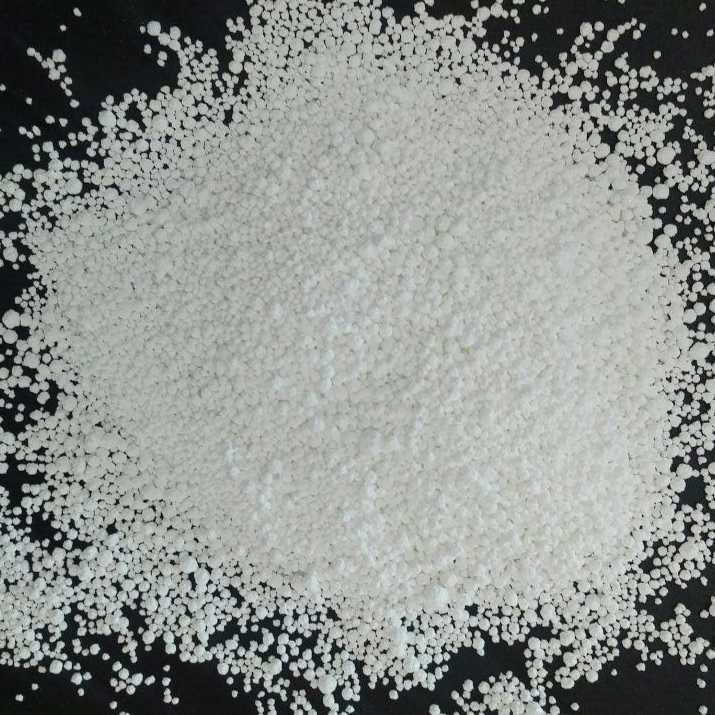
Calcium chloride dihydrateMerck MilliporeSigma (Sigma-Aldrich)Catalog #C3881
5 M Calcium chloride transformation buffer
Add 40 mL distilled water to a 50 mL tube
Measure and add 36.7525 g Calcium chloride dihydrate
Materials:
Calcium chloride dihydrateMerck MilliporeSigma (Sigma-Aldrich)Catalog #C3881
Adjust pH to 7.4 with concentrated sodium hydroxide or hydrogen chloride
Add distilled water to 50 mL
Filter sterilize with a 0.2 µm pore-size filter